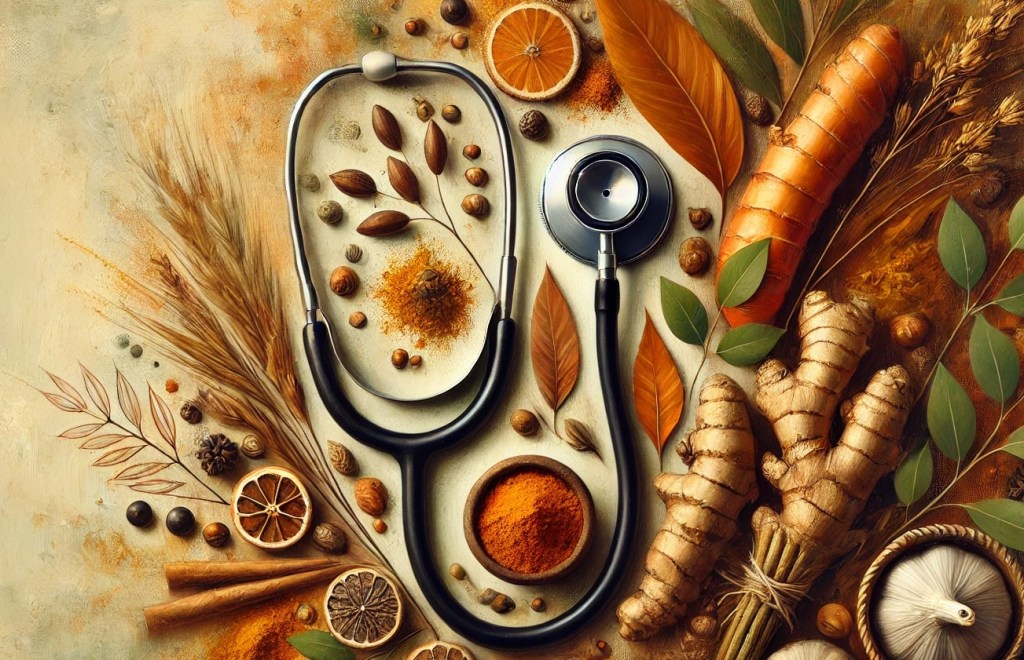
Today, let’s talk about something close to our hearts – the age-old remedies passed down through our families. When it comes to health, many of us often find ourselves juggling two different approaches:
- Our traditional remedies – the ones our dadis and nanis swear by and have passed down through generations
- Modern medicine – what we get from the most current evidence-based guidelines from doctors and researchers
This blending of two worlds can be empowering, but it also raises questions about safety, efficacy, and how best to balance these approaches for optimal health. We’ll explore how to blend these treasured traditions with modern medicine for the best of both worlds.
The good news? We don’t have to choose just one. Let’s see how we can make them work together!
Traditional Health Practices
Remember when your mom gave you haldi doodh (turmeric milk) for a cold? Or when your dadi made you eat methi leaves (fenugreek) or saunf (fennel seeds) for digestion? These aren’t just old wives’ tales – they’re part of Ayurveda, an ancient Indian healing system.
Ayurveda focuses on balancing the body, mind, and spirit through natural methods like:
- Diet
- Herbal remedies
- Lifestyle practices
Ayurveda looks at our whole body – not just the part that’s hurting. Many families rely on age-old wisdom for daily well-being and healing, using remedies that have been trusted for generations. These practices often promote a holistic approach to health, viewing the body as a whole rather than just treating symptoms.
Many of us use these practices every day without even realizing it. They’re great for keeping us healthy and preventing illnesses.
Modern Medicine: A Powerful Ally
On the other hand, modern medicine takes a more evidence-based approach, often relying on medical testing, pharmaceuticals, and surgeries. This has given us some amazing tools:
- Advanced tests to find out what’s wrong
- Powerful medicines to treat serious illnesses
- Life-saving surgeries
When we’re really sick or have a complicated health problem, modern medicine can be a lifesaver.
Bringing Them Together
While modern medicine offers effective treatments for various conditions, traditional practices like Ayurveda provide a more preventative, long-term perspective, focusing on maintaining balance in the body.
The key is finding harmony between these two approaches. Integrating modern medicine with traditional practices can offer the best of both worlds—traditional methods can be used to maintain overall health, while modern medicine is essential for diagnosing and treating more serious or complex health issues. It’s not about choosing one over the other, but about understanding when and how each can be most effective.
The secret is knowing when to use each approach. Here’s a simple guide:
- For everyday health and minor issues:
- You can start with traditional remedies
- Eat a balanced diet
- Stay active (bhangra, anyone?)
- Use common herbs like haldi (turmeric) or adrak (ginger)
- For serious or persistent problems:
- See a doctor
- Get proper tests done
- Take prescribed medicines as directed
- For long-term health:
- Combine both approaches
- Use traditional practices to stay healthy
- Get regular check-ups with your doctor
Our Favorite Home Remedies (and How to Use Them Safely)
While these remedies can offer benefits, it’s important to understand that not all herbal remedies are safe for everyone, especially if they are being used alongside modern medications. Let’s look at some popular remedies from our kitchens:
- Haldi (Turmeric):
- Great for: Boosting immunity, fighting inflammation, often used to help with joint pain or colds.
- Be careful: It can thin your blood, so make sure to check with your doctor, especially if you’re on blood thinners
- Methi (Fenugreek):
- Great for: Digestion, managing blood sugar, and even stimulating milk production in breastfeeding mothers.
- Be careful: It can lower blood sugar, so diabetics should consult their doctor
- Adrak (Ginger):
- Great for: Nausea, sore throats, digestion
- Be careful: Large amounts might not be good if you have certain heart conditions
- Tulsi (Holy Basil):
- Great for: Stress relief, boosting immunity
- Be careful: It might interfere with some medications, so always check with your doctor
Remember, “natural” doesn’t always mean “safe for everyone.” ALWAYS discuss with your doctor about any herbs or home remedies you’re considering using, especially if you have any health problems or take any medications.
Tips for Striking the Right Balance
Finding the balance between traditional remedies and modern medicine doesn’t mean giving up the cultural practices that feel meaningful to you. Instead, it’s about making informed choices that support your overall health. By combining the wisdom of traditional practices like Ayurveda with the advancements of modern medicine, you can create a comprehensive approach to your well-being that respects your heritage while prioritizing your health.
- Talk to your doctor: Always let them know about any home remedies you’re using.
- Don’t replace prescribed medicines: Use traditional remedies alongside, not instead of, your doctor’s advice.
- Start small: When trying a new herb or remedy, start with a small amount to see how your body reacts.
- Do your research: Learn about possible side effects or interactions of herbs.
- Trust your body: If something doesn’t feel right, stop and consult your doctor.
Concluding Thoughts
In today’s world, we can honor our heritage while benefiting from modern healthcare. Instead of choosing between tradition and science—embrace both for better health. The key is balance, safety, and open communication with your healthcare providers.
Remember, your health journey is unique. By blending traditional wisdom with modern medicine, you’re creating a culturally rich and medically sound path to wellness. Whether you’re sipping haldi doodh or visiting your doctor, make sure to always make informed decisions for your well-being.




Leave a Reply