
Today, let’s talk about something that affects many of us as we age: our bone health. Specifically, osteoporosis. Often called the “silent disease”, this is a condition where bones become weak and brittle, more likely to break. It affects many women around the world, especially as we get older and after menopause. It is very important to focus on bone health early on to prevent this
In this post, we’ll talk about what osteoporosis is, how to keep your bones strong, and some unique factors we should pay attention to as Punjabi or Sikh women.
What is Osteoporosis?
Imagine your bones are like a sponge. In healthy bones, the holes in the “sponge” are small. But with osteoporosis, bone density decreases and these holes get bigger, making the bone weaker, brittle, and more likely to break. This can happen so slowly that you might not notice until you get a fracture, which can cause a lot of pain and affect your daily life. The bones most commonly affected are hips, spine, and wrists.
Risk Factors for Osteoporosis
- Age: As we age, bone loss increases.
- Menopause: The drop in estrogen during menopause speeds up bone loss.
- Diet: Low calcium and vitamin D intake.
- Lack of exercise: Staying inactive can impact bone density.
- Family history: if osteoporosis runs in your family, the risk is higher.
- Body type: women with lower body weight may be at higher risk.
Why Should We Care as Punjabi Women?
As Punjabi and Sikh women, we have some specific factors that can affect our bone health:
- Skin tone and sun exposure:
- Our brown skin is great for many things, but it can reduce how much Vitamin D we make from sunlight. Vitamin D is crucial for strong bones.
- Being out in the sun may also be frowned upon in some communities and families.
- Diet:
- Our traditional diet, while delicious, can sometimes be low in the nutrients needed for strong bones, like calcium and Vitamin D.
- Lifestyle:
- Exercise is not emphasized in our community or part of many people’s daily life.
- Many women also focus more on their work or family rather than taking time to prioritize their own health.
- Cultural factors: Sometimes, we might prioritize family needs over our own health concerns.
Menopause and Bone Health
Menopause usually happens between ages 45 and 55 years. During menopause, our bodies produce less estrogen, which can speed up bone loss. So, taking care of your bones during and after menopause is really important.
Many women in the community may not like talking about menopause because it can be seen as taboo, but it is important to know that this is a normal part of every woman’s life. Don’t hesitate to talk to your support circle or to your doctor about strategies to protect your bones during this time.
How Can We Prevent Osteoporosis?
- Eat for your bones:
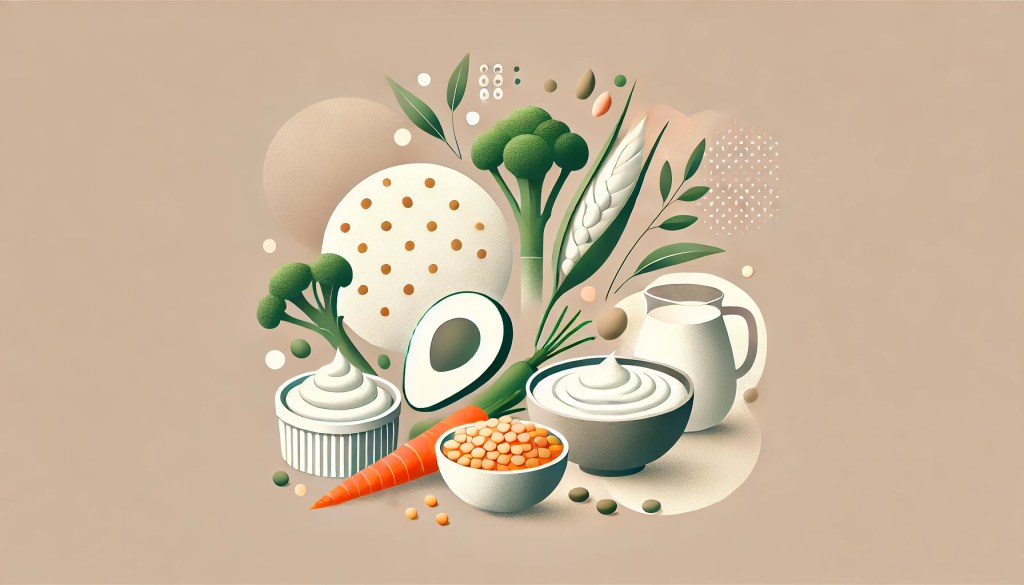
- Include more dairy (lassi, paneer, dahi) in your diet
- Try calcium-rich vegetables like leafy green vegetables: sarson da saag (mustard leaves) and palak (spinach)
- Consider calcium-fortified foods or vitamin-D enriched milk.
- If you’re vegetarian, make sure you’re getting enough protein and calcium from non-meat sources.
- Get moving:
- Try weight-bearing exercises like walking, jogging, yoga, or dancing (gidda and bhangra are great for this!).
- This puts weight on your joints and helps strengthen your bones.
- Strength training with light weights or resistance bands is also helpful.
- If you have joint problems, even light activities like walking or gardening can help your bones and prevent falls.
- Aim for at least 30 minutes 5 times a week.
- Try weight-bearing exercises like walking, jogging, yoga, or dancing (gidda and bhangra are great for this!).
- Soak up some sun:
- Spend 15-20 minutes in the sun a few times a week to boost your Vitamin D.
- Remember your sunscreen – even with darker skin!
- If you cover up for religious reasons, talk to your doctor to see if you need Vitamin D supplements.
- Prioritize your health:
- Remember, taking care of yourself is taking care of your family. Don’t put off health check-ups or hesitate to make time for exercise.
- If you need support, consider doing activities like dancing or yoga with friends to help motivate everyone to incorporate exercise.
- Be mindful of menopause
- If you are going through menopause, your doctor may recommend a bone density test.
- Consider hormone replacement therapy (to counteract the effects of decreasing estrogen on your bones) – discuss your own personal risks and benefits with your doctor.
- Balance traditional remedies and modern medicine
- Relying only on traditional remedies like turmeric (haldi) won’t be enough to prevent or treat osteoporosis.
- Combine your traditional remedies with modern medical recommendations.
- Tell your doctor about your lifestyle, family history, and any falls or fractures.
- Consider supplements
- While diet is the best way to absorb your nutrients, supplements may help if you’re low on calcium or Vitamin D.
- Talk to your doctor to see if you might need supplements.
Remember, strong bones help us stay active and independent as we age. By taking care of our bone health now, we’re investing in our future and setting a great example for the next generation.
 Sikh Women's Health Initiative
Leave a comment