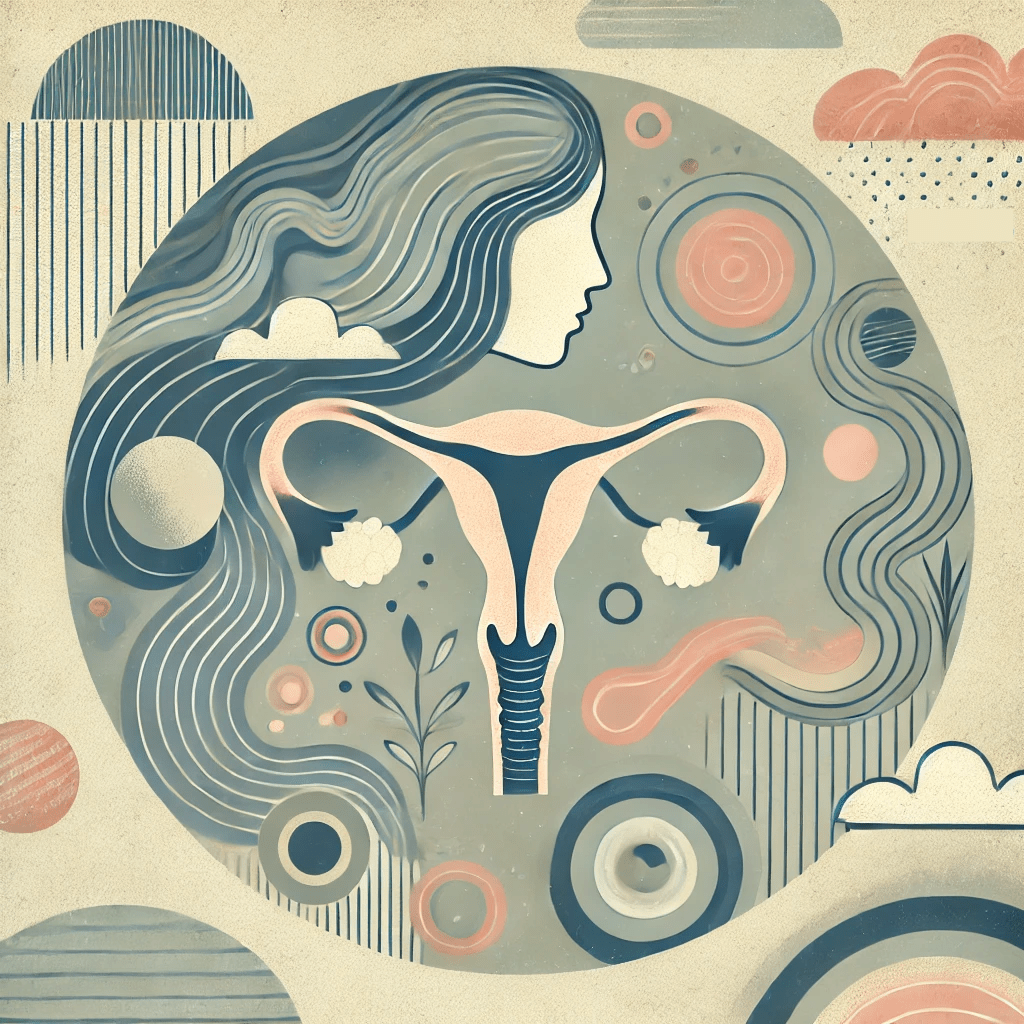
Polycystic Ovary Syndrome, commonly known as PCOS or PCOD, affects many women in our Punjabi and Sikh communities. This condition is particularly important for us to understand because South Asian women often develop PCOS at an earlier age than other groups.
This information does not replace a physician’s medical assessment and judgement, so if you feel the information below may pertain to you, please make an appointment to consult with your Ob/Gyn physician1
What is PCOS?
PCOS is an imbalance in our hormones, which affects the ovaries, which then affects women’s reproductive health. It usually starts around when you start puberty and can make your periods become irregular and other hormone-related symptoms. While it might sound scary, understanding PCOS can help us manage it better and live healthier lives.
Why should we care about PCOS?
There are many reasons why PCOS is a big deal for our community:
- It can make it harder to have children when you’re ready.
- It increases the risk of developing type 2 diabetes and heart problems.
- It can lead to a higher risk of endometrial (uterus) cancer at an earlier age.
For Sikh and Punjabi women specifically:
- We tend to develop PCOS at a younger age compared to other ethnic groups.
- Our community has higher rates of diabetes, which can worsen PCOS symptoms.
- PCOS can affect our skin and hair, which may impact our cultural beauty practices and self-image.
- The weight gain associated with PCOS can be hard in our community that often celebrates rich, heavy foods.
- Issues getting pregnant can be really stressful in our family-oriented culture where having children is highly valued.
- PCOS can negatively affect mental health and mood, which are already big struggles in the Punjabi community.
What are the signs of PCOS?
Here are some common signs to watch out for:
- Irregular periods or no periods at all.
- Difficulty getting pregnant.
- Weight gain, especially around the upper body and tummy.
- Oily skin and hair, with acne that continues into adulthood.
- Unusual hair growth, especially on the face, arms, chest, or tummy.
- Higher chance of developing type 2 diabetes.
It’s important to know that not everyone with PCOS will have all these symptoms, and they can be different from person to person.
What causes PCOS?
Researchers are still trying to figure out exactly what causes PCOS. But, we do know that it often runs in families. So, if your mother or sister has PCOS, you might be more likely to have it too. It is also more common in Desis, and there is an association with obesity, cardiovascular disease, and diabetes.
Can PCOS be prevented?
Unfortunately, we don’t know how to prevent PCOS yet. But by eating well and having a healthy weight, we can reduce the risk of complications like diabetes and heart problems.
How do doctors diagnose PCOS?
If you think you might have PCOS, your doctor will:
- Ask about your medical history and symptoms.
- Do a physical exam.
- Do blood tests to check your hormone levels.
- Sometimes recommend an ultrasound of your ovaries.
How is PCOS treated?
Treatment for PCOS depends a lot on your personal goals and symptoms. Specific treatments can be discussed with your provider. Here are some common approaches:
- If you want to have children, your doctor might suggest fertility medications (by mouth or injections).
- If you’re not planning on pregnancy, birth control pills can help regulate your periods.
- For hair growth and acne, there are both medical and cosmetic treatments, including laser hair removal, medications by mouth, or creams for your skin.
- Managing your weight through diet and exercise is very importan.
- Medications like metformin have been used to help with insulin resistance and weight loss.
- Newer medications, like semaglutide and tirzepatide, are becoming game-changers in managing PCOS.
What if I want to improve my chances of having a baby?
While you need to discuss specific fertility issues with your doctor, there us some general advice that may help your chances of pregnancy. If you have PCOS and want to have a baby, here are some general tips:
- Take folic acid supplements (400 mcg daily) and eat foods high in folic acid, like saag and palak, rajma and dried beans, and oranges or other citrus fruits.
- Eat a healthy, balanced diet (our traditional Punjabi diet can be adapted to be very nutritious!).
- Exercise regularly (try to do 30 minutes, 4-5 times a week).
What can Sikh and Punjabi women do specifically?
- Break the silence: In our community, we often don’t talk about women’s health issues. Let’s change that by starting conversations about PCOS with our sisters, cousins, and friends. So many of us deal with this, but we don’t share our struggles openly to help each other feel less alone.
- Advocate for ourselves and communicate with the doctors: Don’t be scared to get medical help if you notice PCOS symptoms. Your health is important! Find a doctor who listens to you and your symptoms, whether that is weight loss, acne or hair growth, infertility, mood or mental health problems. There are treatments for each of these and other PCOS symptoms, and you deserve to have a good quality of life.
- Adapt our diets: Work with the women in your family to create healthier versions of our traditional Punjabi dishes. Small changes can make a big difference!
- See a nutritionist: It may be hard to understand what to eat, and there is a lot of information on the internet. If this is overwhelming for you or you want specific help, talking to a nutritionist or dietician trained on this topic can be a game-changer.
- Exercise together: Start a women’s exercise group in your community or join your friends/family for exercise together. Whether it’s daily walks or bhangra classes, moving together can be fun and healthy.
- Support each other: If you know someone struggling with PCOS, offer your support. Sometimes, just having someone to talk to about the frustrating symptoms and isolating experience can make a big difference, especially for people dealing with weight problems or infertility.
- Educate our families: Help your family understand PCOS. This can make it easier to make healthy lifestyle changes at home and feel supported in your journey.
- Share success stories: If you’ve managed your PCOS well, share your story. Your experience could inspire and help other women in our community and make them feel less alone in navigating their struggles.
Remember, having PCOS doesn’t define you. With the right information and support, we can take on PCOS and live healthy, fulfilling lives. If you’re concerned about PCOS, please talk to your doctor. Your health matters, and you deserve the best care possible.


 Sikh Women's Health Initiative
Leave a comment