Breast cancer is one of the most common cancers affecting women worldwide. For our Punjabi and Sikh sisters, mothers, and daughters, understanding the importance of breast cancer screening is crucial. Early detection can make a huge difference in treatment outcomes and survival. This is a topic that is deeply personal for me and many of us. Today, let’s break down the barriers of cultural taboos, language issues, and lack of awareness to ensure every woman in our community gets the care she deserves.
Symptoms of Breast Cancer
There are a variety of symptoms, and some people have no symptoms at all. That is why is is so important to get regular screenings.
Symptoms can include:
- Change in size or shape of the breast.
- Pain in any part of the breast.
- Discharge from the nipple that is not breast milk (including blood).
- New lump in the breast or the underarm.
What Exactly is Breast Cancer Screening?
Breast cancer screening usually involves two main methods:
- Mammogram: This is an X-ray of your breast. It’s like taking a picture that can show lumps or changes in your breast tissue before you can even start to feel them. It is the most common way to find early signs of breast cancer.
- Clinical Breast Exam: A healthcare provider will carefully physically examine your breasts and underarms, feeling for any changes or lumps.
These tools, combined with regular self-exams at home, give a complete picture of your breast health.
Why is Breast Cancer Screening So Important?
Breast cancer screening is like having a watchful eye on your health. It helps catch the disease early, often before you notice any symptoms. Early detection means:
- More treatment options
- Less aggressive treatments
- Higher chances of survival
Think of it as giving yourself the best chance to stay healthy for your family and community.
Breaking Down Barriers in Our Community
In our Punjabi and Sikh communities, we might face unique challenges that make talking about screenings a bit harder:
- Shyness or discomfort: It’s natural to feel uneasy, but remember, healthcare providers are professionals who respect your modesty.
- Language barriers: Not understanding medical instructions or recommendations because of language differences can also stop women from getting screenings. Ask for a translator if you need one. Clear communication is so important for your health.
- Lack of awareness: Sometimes, there is a lack of awareness or understanding about the importance of breast health. Share this information with your sisters, mothers, and friends. Knowledge is power!
It’s important for family members, especially daughters, sisters, or daughters-in-law, to encourage open conversations among themselves and elder family members about breast health and educate women on how important screenings are.
See this video in Punjabi on breast cancer screening:
Common Concerns and Myths
Let’s address some worries that might keep Punjabi and Sikh women from getting screened due to cultural beliefs, fear, or being uncomfortable with mammograms or breast exams:
- “I don’t feel any lumps, so I’m fine”: Breast cancer can develop without you feeling anything. That’s why regular mammograms are so important – they can catch these changes early, before you even notice.
- “The radiation from mammograms causes cancer”: The amount of radiation is very very low. The benefits of early detection are much, much higher than any minimal risk.
- “Breast cancer doesn’t run in my family, so I don’t need to worry”: Most women who get breast cancer have no family history. This is why regular screening is so important for everyone.
- “I feel shy about being examined”: Your health is precious. Many clinics have female staff and take steps to ensure your comfort and privacy, and they go slowly and ensure your comfort in the process.
- “I don’t understand the medical terms or instructions”: Many healthcare providers offer translation services. Don’t hesitate to ask for help understanding your care.
When Should You Start Getting Screened?
Here are the current guidelines from the American Cancer Society (guidelines differ slightly by the organization and country). Remember, these may vary based on your personal health history:
- Ages 40-44: You have the option to start annual mammograms. If breast cancer runs in your family, this is especially a good time to start.
- Ages 45-54: You should get a mammogram every year. Your breast cancer risk increases at this age, so regular screenings become more important and can make a big difference.
- Age 55 and older: You can continue yearly mammograms or switch to every two years, depending on your health history and personal risk factors.
If you have a higher risk (like a family history or certain genetic factors), your doctor might suggest starting earlier, having more frequent screenings, or some other imaging tests, like MRI. Remember, these guidelines are general for everyone, but what you need might be personalized based on your risks and history.
Taking Action for Your Health
- Talk to your doctor: If you’re not sure when or how to start screenings, talk to your family doctor or gynecologist. They will tailor a screening plan to your needs.
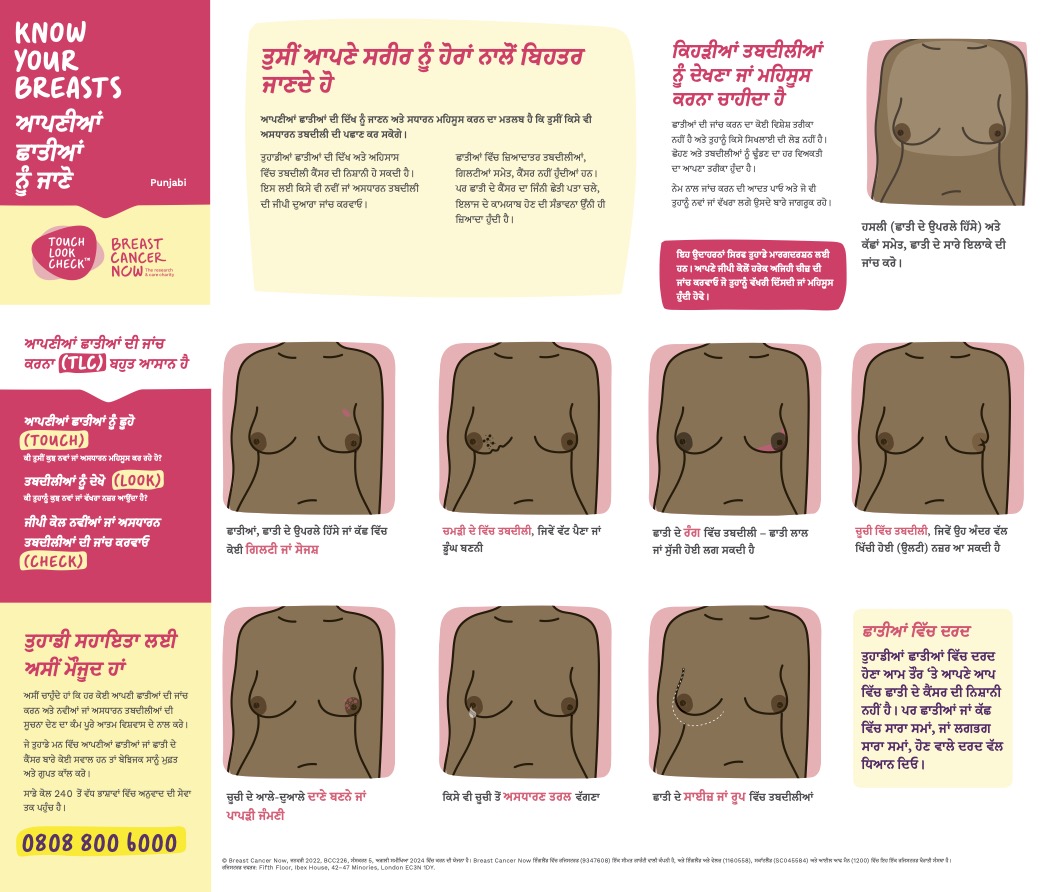
- Encourage family: If you have relatives who are hesitant about getting mammograms, talk to them about the importance of screenings. Share the resources in this post in English and Punjabi to make it easier for them to understand.
- Use resources: Many community clinics offer low-cost or free mammograms. You can also ask for a female healthcare professional if that makes you more comfortable.
- Stay Informed: If you’re unsure about anything related to breast health, don’t be afraid to ask questions. Knowing more can help you have less fear or anxiety about the process.
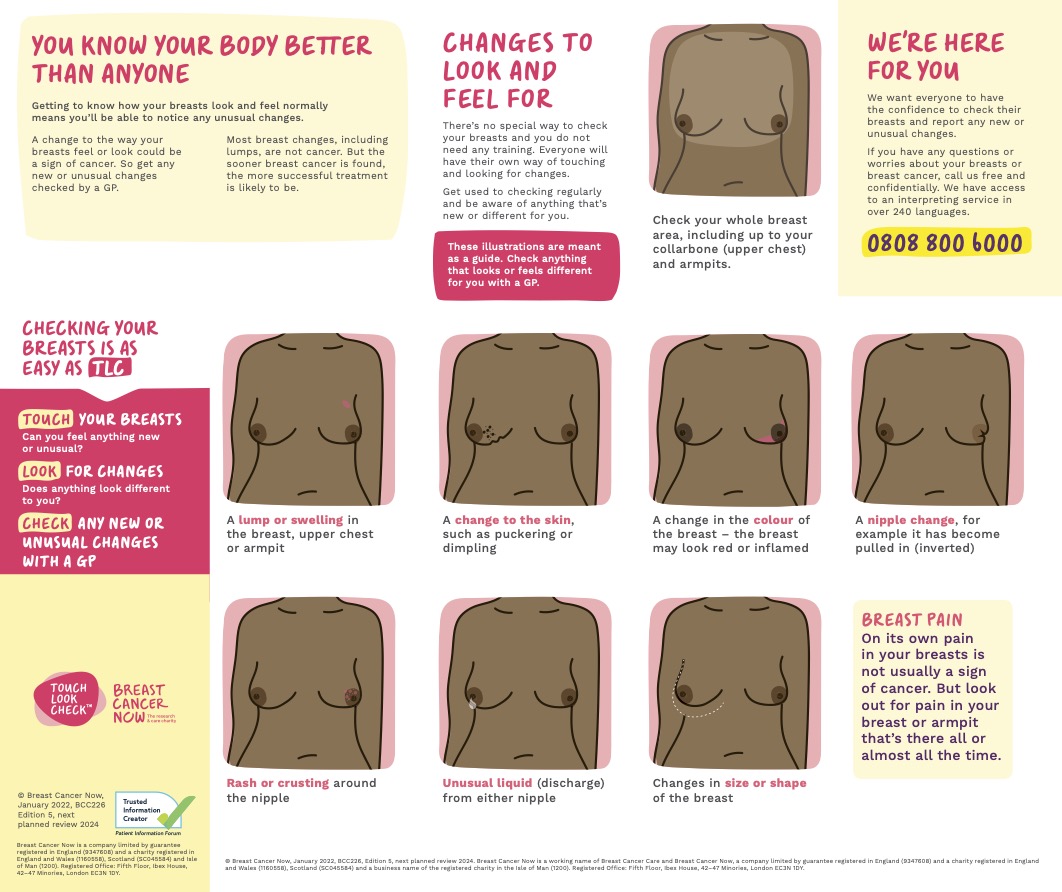
- Learn self-exams: Get to know your breasts by doing regular self-exams. This can help you notice any changes early on.
A Message to Our Community
Breast cancer screening is an act of self-care and love for your family – it saves many lives. While it might seem uncomfortable or scary, it’s a small step that can have a big impact on your health and long-term life.
By encouraging regular mammograms and open discussions in our communities, we can make sure that every woman gets the care she needs. Remember, early detection is key, and it’s never too early to start caring for your health – not only for you, but for your family.
Take the first step today – book your mammogram and encourage the women in your life to do the same. Together, we can build a healthier, stronger community!
Stay healthy, stay informed, and spread the word!
Resources for More Information:
- American Cancer Society (ACS): www.cancer.org
- Canadian Cancer Society: www.cancer.ca
- Check with your local health clinics and women’s health organizations for resources in Punjabi or with cultural sensitivity training.
- Breast Self-Exams (English and Punjabi)
- Breast Cancer Screening: Punjabi (NHSGGC)
Sources:
- American Cancer Society. (2023, December 19). ACS Breast Cancer Screening Guidelines. https://www.cancer.org/cancer/types/breast-cancer/screening-tests-and-early-detection/american-cancer-society-recommendations-for-the-early-detection-of-breast-cancer.html.
- US Preventive Services Taskforce. (2024, April 30). Breast cancer: Screening. https://www.uspreventiveservicestaskforce.org/uspstf/recommendation/breast-cancer-screening.
- Centers for Disease Control and Prevention. (2024, September 11). About mammograms. https://www.cdc.gov/breast-cancer/about/mammograms.html


 Sikh Women's Health Initiative
Leave a comment