
Moving to a new country is like starting a fresh chapter in life’s book. For Punjabi and Sikh women, this journey brings both exciting opportunities and unique challenges, especially when it comes to health. Let’s explore how immigration affects their well-being and discuss practical ways to stay healthy in a new home.
The Stress of Starting New
Packing up your entire life and moving to a place where everything feels different – from the language to the food to the way people interact – that can be very stressful. That’s what many Punjabi and Sikh women experience when they immigrate anywhere. This big change can be stressful, and stress isn’t just a feeling – it can affect your health too.
Many women find themselves juggling multiple roles: keeping cultural traditions, adapting to a new society, and often having to be the glue that holds the family together. This balancing act can lead to feeling overwhelmed, anxious, or even depressed.
It’s important to recognize that your mental health is just as important as your physical health, but stigma about mental illness still exists in some parts of our communities. Breaking the silence and having open conversations about mental health is really important.
What can help?
- Find support: Connect with other women who’ve been through similar experiences. Many gurdwaras and community centers offer support groups or have many community members who have immigrated. Talking to others can reduce your feelings of isolation.
- Try familiar relaxation techniques: Meditation, yoga, and deep breathing exercises are a big part of our traditional culture. These can be a comforting way to manage stress.
- Don’t be afraid to get professional help: There is no shame in asking for help when you need it – much like you go to a doctor when you are sick. Many cities now have counselors who understand Punjabi and Sikh culture and can offer you culturally sensitive support.
When Comfort Food Becomes Uncomfortable
Food is a big part of Punjabi culture – we are known to indulge. In our communities, food is often a way to show love and care. But in a new country, maintaining a healthy diet while honoring traditions can be challenging.
Access to familiar foods may be limited, leading to eating more processed or unhealthy foods. Also, balancing a busy work life with household duties can make it harder to have a healthy diet. Some women find themselves turning to processed foods or fast food options, which can lead to health issues.
A sudden change in diet can increase the risk of health issues like obesity, diabetes, and high blood pressure—which are already common in South Asians.
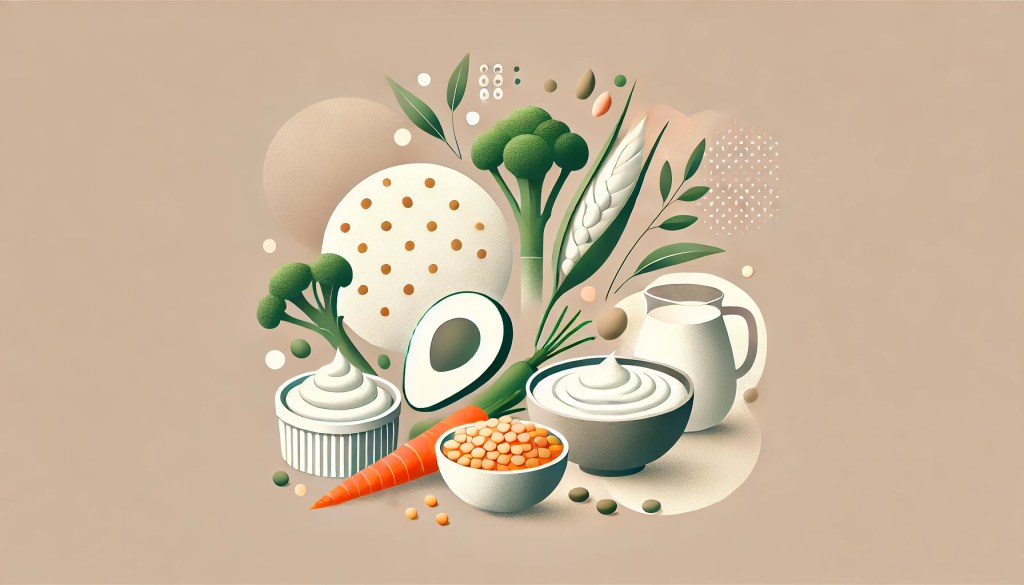
Many Punjabi and Sikh families follow a vegetarian diet, or consume foods rich in dairy, grains, and legumes.
A sudden change in diet can increase the risk of health issues like obesity, diabetes, and high blood pressure—conditions that are already prevalent in South Asian communities. It’s important to find ways to balance traditional meals with the availability of healthier food options in the new country.
What can help?
- Learn to make healthier versions of traditional dishes: For example, try baking samosas instead of deep-frying them.
- Find local fruits/vegetables: Look for fresh fruits and vegetables to add variety to traditional meals. You might find some new favorites to add to your roti and sabzi!
- Limit processed foods: Try to keep your intake of packaged and fast foods to a minimum. These can be high in unhealthy fats and sugars.
- Plan your meals: Preparing meals ahead of time can help ensure that nutritious, home-cooked food is always available, even on busy days. This can help you stick to home-cooked meals to nourish yourself and your family even when life gets busy.
Navigating a New Healthcare System
Understanding how healthcare works in a new country can feel like solving a puzzle. For Punjabi and Sikh women, who might be used to seeking health advice from family elders or using traditional remedies, the Western medical system can seem confusing or even intimidating.
Some of you might avoid going to the doctor because of language differences, cultural differences, or being scared of discrimination. Others might put their family’s health needs before their own.
What can help?
- Take advantage of interpreters: Most hospitals and clinics offer translation services. Don’t hesitate to ask for a Punjabi interpreter if you need one.
- Look for doctors who understand your culture: Many cities now have Desi healthcare providers or culturally sensitive practices.
- Take advantage of free health screenings: Many community centers and gurdwaras organize health camps that offer check-ups and information.
- Stay proactive: Preventive care, like regular check-ups and screenings, are not option – they are essential. This includes checking for conditions common in Desi people, like diabetes and heart disease.
Honor Your Traditions
For Sikh women, certain religious practices like wearing a pagh (turban) or keeping your kesh (uncut hair) can sometimes create unique situations in healthcare settings. It’s important to find healthcare providers who respect your values while providing necessary care. But it’s equally important for you as a woman to be comfortable voicing your needs to them.
Cultural values play a crucial role in how Punjabi and Sikh women view health and wellness. Many may prefer holistic or natural remedies, which can sometimes conflict with Western medical approaches. Respecting these traditions while also integrating modern healthcare practices can lead to better outcomes.
For Sikh women, religious practices such as wearing a turban or maintaining long hair (kesh) might impact healthcare interactions. It’s important for healthcare providers to be culturally sensitive, but it’s equally important for women to feel comfortable voicing their needs to ensure they receive appropriate care.
What can help?
- Open communication with healthcare providers: Don’t be scared to explain your cultural or religious preferences to doctors or nurses, especially before any procedure, physical exam, or surgery. Most providers are trained to respect diverse practices and accommodate your needs. You are not bothering them by sharing – this is part of their job.
- Female providers: If you’re uncomfortable with a male doctor for certain tests or examinations, it’s okay to request a female provider.
- Consider both traditional and modern medicine: Sometimes a combination of traditional remedies and modern medical treatments can be great, but always tell your doctor about any herbal treatments you’re using to avoid any interactions.
Building a Bridge to Better Health
Immigrating to a new country doesn’t mean leaving your health behind. By staying connected to your roots while embracing new resources, you can build a healthier life for yourself and your family. Remember, taking care of your health – both physical and mental – is not selfish. It’s an essential part of being able to care for your loved ones and thrive in your new home.
Whether you’ve recently moved or have been in a new country for years, it’s never too late to prioritize your health. Reach out to your community, explore local resources, and don’t be afraid to ask for help when you need it. Your health journey is unique, and every step you take towards wellness is a step towards a brighter future.

 Sikh Women's Health Initiative
Leave a comment